In this blog entry, I will discuss Michael Robak’s and Ayyoub Ajmi’s article “Google Glass for the Educator: A Postmortem Separating the Reality from the Hype and Some Thoughts for Google.”
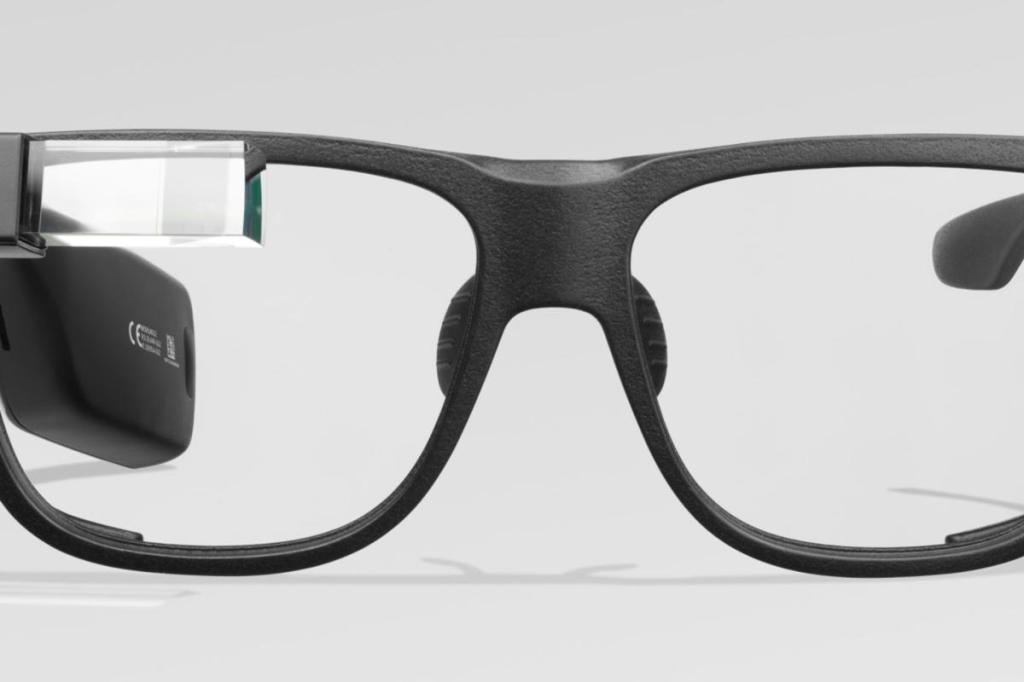
This article appealed to me partly because the product sounds so interesting. Google Glass seems like something that belongs in The Jetsons or Spy Kids. The other part of me also wondered what ever happened to Google’s Glass. I remember seeing the official promotional video when I was still in undergrad all the way back around 2012 or 2013, but I never saw anyone showing off their smart glasses like they do their latest smartphones or smartwatches. So, part of me was curious about what happened to Glass.
The short answer is that Google dropped Glass like it was hot (literally). Between 2014 and 2015, as Robak and Ajmi (2015) state, various articles and other media declared the death of the wearables. Dead certainly does not sound like what Google was going for. How did this happen? In short, the bad outweighed the good. Robak and Ajmi (2015) list several issues with Glass including include video quality, device connection, length of videos, practicality, and facial burns from overheating.
But Google did not completely abandon glass. Google, as Robak and Ajmi (2015) explain, moved the Glass project to another unit and ceased sales to consumers except for companies and developers. Robak and Ajmi (2015) seem rather optimistic about Glass despite the issues they ran into using it. Although Google will need to address the issues, I believe Glass is a worthwhile product with the potential to make a great impact in several fields.
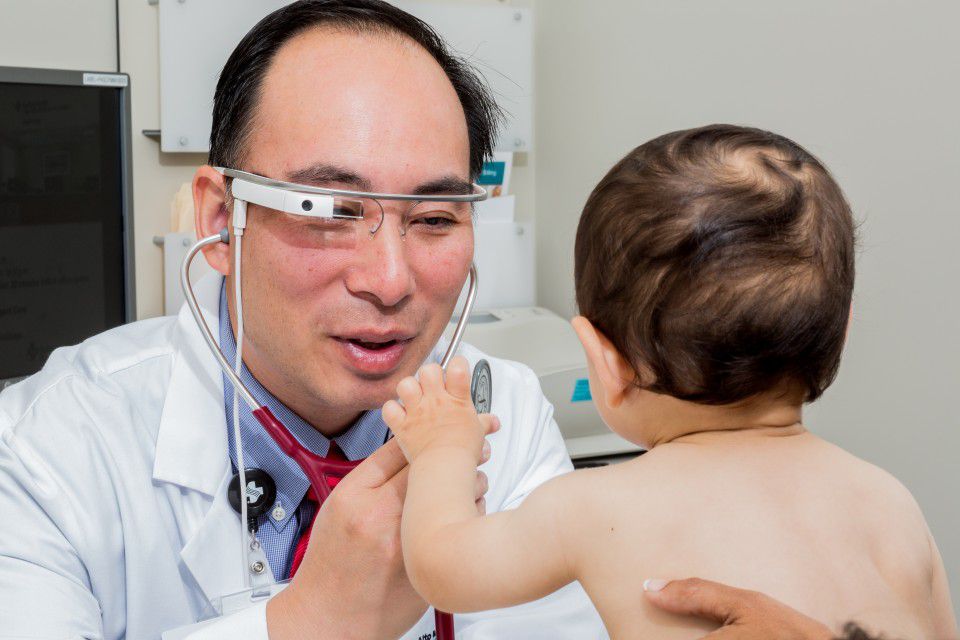
Google Glass is especially beneficial to medical professions and to medical students. Glauser (2013) is especially optimistic of the uses of these smart glasses and their use in training medical students. Students, as Glauser (2013) explains, would find it helpful to be able to observe surgeries without peering over the surgeon’s shoulder or to view bedside manners from the person’s (or mannequin’s) point of view. Bloss (2015) also notes the wearables’ uses in various medical applications including athlete concussion monitoring, glucose monitoring, pulse monitoring, and baby monitoring.
However, Google Glass also has drawbacks. Security is the most prevalent concern. O’Flaherty (2014) argues that when the glasses become more available to individual consumers, we’ll see a rise in cyber-criminals, corporate espionage, and potential chaos where data privacy laws are concerned. O’Flaherty (2014) does note the device’s benefits in education and business but warns that Google needs to address Glass’ application security, its vulnerable application system, and encryption threats. Lawmakers from a 2013 legal query on the Google Glass question how Google would prevent a device that is designed to collect information on surrounding settings and individuals from unintentionally breeching data laws and individual rights concerning their private information. Hong (2013) argues that managing and mitigating privacy concerns evolve after frequent use of that technology. Expectations of privacy, as Hong (2013) points out, also change over time. One example Hong (2013) provides is a Kodak ban on some beaches due to privacy issues. In an interview, Scoble (2013) also points out that many of the security issues are also a problem in other devices such as smartphones, tablets, and other emerging technologies.
Overall, I believe that this device will be very beneficial to education, business, health, and to consumers in general. I do think this device should be developed and eventually be made to individual consumers once more. However, security concerns and other issues must also be addressed. Making Glass available to companies and developers is one way that Google can address these issues while still making this technology accessible.

References
Bloomberg L. P. (Producer), (2013-06-17). My Two Months Wearing Google Glass: Scoble. New York, NY: Bloomberg L. P.. [Streaming Video]. Retrieved from video.alexanderstreet.com/watch/my-two-months-wearing-google-glass-scoble database.
Bloss, R. (2015), “Wearable sensors bring new benefits to continuous medical monitoring, real time physical activity assessment, baby monitoring and industrial applications”, Sensor Review, Vol. 35 No. 2, pp. 141-145. https://doi.org/10.1108/SR-10-2014-722
Glauser W. (2013). Doctors among early adopters of Google Glass. CMAJ : Canadian Medical Association journal = journal de l’Association medicale canadienne, 185(16), 1385. doi:10.1503/cmaj.109-4607
Hong, J. (2013). Considering privacy issues in the context of Google glass. Communications of the ACM, 56(11), 10–11. https://doi.org/10.1145/2524713.2524717
Lawmakers Query Google On “Glass” Privacy Issues. (2013). Telecommunications Reports, 79(11), 33. Retrieved from https://search.ebscohost.com/login.aspx?direct=true&db=bth&AN=96068476&scope=site
O’Flaherty, K. (2014, September-October). Google glass: a ticking time bomb? Kate O’Flaherty reports how the security implications of wearable technology are becoming clearer as Google Glass infiltrates the corporate market. SC Magazine, 22+. Retrieved from https://link.gale.com/apps/doc/A399886198/ITOF?u=tel_a_utl&sid=ITOF&xid=42cbe9b2
Robak, M. & A. Ajmi. (April 2015). Google Glass for the educator: A postmortem-separating the reality from the hype and some thoughts for Google. Computers in Libraries, 35(3), 12–15. Retrieved from https://search.ebscohost.com/login.aspx?direct=true&db=lxh&AN=102383009&scope=site
 Social Informatics